The Day I Almost Threw Away a Treasure
A few years ago, while cleaning out my grandmother’s old kitchen, I found a heavy black pan tucked in the back of a cabinet. It looked ancient — covered in rust and grease — and my first thought was to toss it.
But my grandmother stopped me with a laugh. “That pan has cooked three generations of meals,” she said. “All it needs is a little seasoning.”
That’s the day I learned what seasoning a cast iron skillet really means — and why it’s the secret behind cookware that lasts for a lifetime.
What Does “Seasoning” Mean, Anyway?
Seasoning doesn’t mean adding herbs or spices. In cast iron terms, seasoning means creating a protective coating on the skillet by baking on a thin layer of oil.
This process turns raw metal into a durable, non-stick surface that prevents rust and improves every time you cook. It’s simple, natural, and one of the reasons cast iron skillets are passed down through generations.
Step 1: Clean the Skillet — Give It a Fresh Start
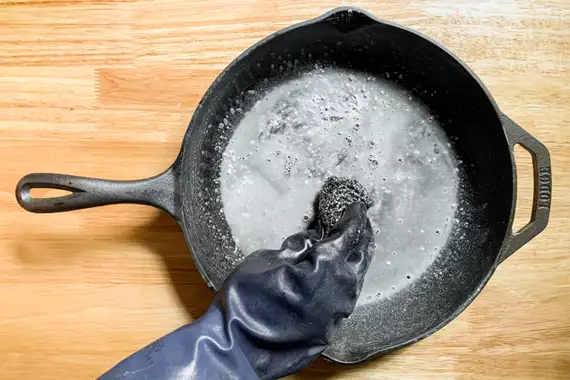
If your skillet is old or rusty, don’t panic. Start by scrubbing it with warm water and coarse salt (or a steel wool pad if needed). You can even use a little soap this one time — it won’t hurt.
The goal is to remove any old residue or rust so you’re left with clean, bare iron. Once clean, dry it completely using a towel, then place it on low heat for five minutes to remove every last drop of moisture.
Moisture is cast iron’s biggest enemy — never skip this step.
Step 2: Apply a Thin Coat of Oil
Once dry, it’s time for the magic ingredient: oil. Choose an oil with a high smoke point, such as flaxseed, grapeseed, or canola oil. These oils bond better with iron and create a smoother surface.
Pour a teaspoon of oil into the pan. Use a paper towel to spread it evenly across the inside, outside, and handle. Then take a clean towel and wipe away all the extra oil until it looks nearly dry.
This part is crucial — too much oil will create a sticky surface instead of a glossy one.
Step 3: Bake It at High Heat
Preheat your oven to 450°F (230°C). Place the skillet upside down on the middle rack (and line the rack below with aluminum foil to catch any drips).
Bake for one hour. This heat causes the oil to polymerize — in simple terms, it bonds to the metal and forms a solid, non-stick coating.
When the hour’s up, turn off the oven and let the skillet cool inside naturally. When it’s done, you’ll notice that rich, black finish that defines a well-seasoned cast iron pan.
Step 4: Repeat for the Perfect Finish
If your skillet was in rough shape, repeat the oiling and baking steps two or three times. Each round strengthens the coating and builds up that signature shine.
This process is what transforms an old, rusty pan into a kitchen workhorse again — just like my grandmother’s skillet.
Step 5: Keep It Happy with Proper Care
Once you’ve learned how to season a cast iron skillet, keeping it that way is simple:
- After cooking: Let it cool slightly and rinse with warm water.
- Skip the soap: Use a brush or cloth to clean.
- Dry completely: Moisture is the enemy.
- Oil lightly: Rub a few drops across the surface before storing.
Avoid soaking your skillet in water or putting it in the dishwasher — both can destroy the seasoning.
Common Mistakes People Make
Even the best cooks sometimes get this wrong. Here’s what to avoid:
- Using too much oil (causes stickiness).
- Not drying completely before oiling.
- Low baking temperature (the oil won’t bond properly).
- Skipping regular maintenance after cooking.
Once you avoid these, you’ll never have to worry about rust or dull surfaces again.
Bonus Tip: Cooking Keeps It Strong
The best way to maintain your skillet is to use it — often! Every time you cook with a bit of oil or fat, you’re adding another micro-layer of seasoning. That’s why old skillets get better with age — they’ve been seasoned thousands of times naturally through cooking.
So go ahead — fry your eggs, roast your veggies, or bake that perfect cornbread. Your skillet will thank you.
Final Thoughts
That rusty old pan I almost threw away? It’s now the most-used item in my kitchen. Every time I cook with it, I think of my grandmother and how something so simple — a bit of oil and heat — can breathe new life into old iron.
Learning how to season a cast iron skillet isn’t just about cookware care. It’s about patience, practice, and tradition. Do it once, maintain it regularly, and your skillet will last longer than you do — passing on both flavor and family history.
